Cracktros and Loading Screens: The Visual Language of the C64
Cracktros and Loading Screens: The Visual Language of the C64 The Commodore 64, launched in 1982, stands as an enduring icon of early home computing.
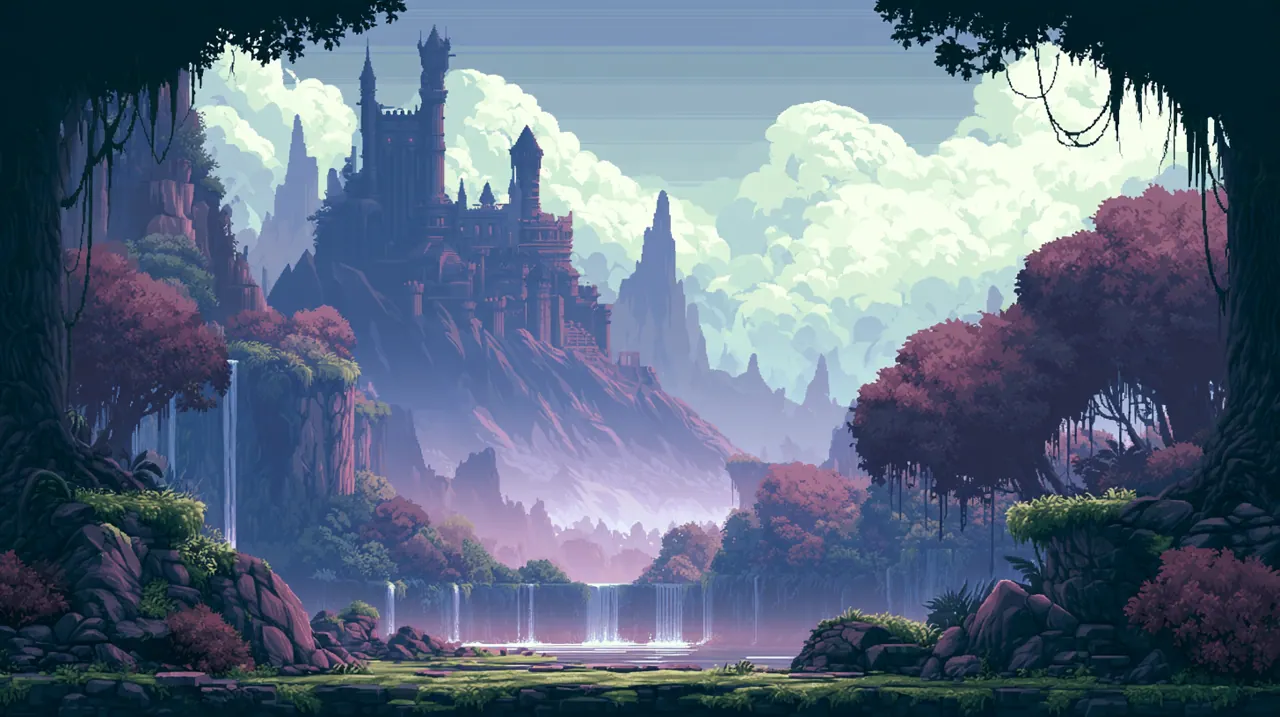
Cracktros and Loading Screens: The Visual Language of the C64
The Commodore 64, launched in 1982, stands as an enduring icon of early home computing. Beyond its groundbreaking sound chip (the SID) and its vast library of games, the C64 fostered a unique visual culture born from technical constraints and creative ingenuity. Two prominent examples of this culture are the humble loading screen and the more flamboyant "cracktro" – both serving as accidental canvases that defined the aesthetic of a generation.
The Art of Waiting: Loading Screens
In an era before solid-state drives and high-speed internet, software distribution for the C64 primarily relied on floppy disks, most commonly through the notoriously slow 1541 disk drive. Loading a game could take several minutes, a period that developers quickly realized could be utilized for more than just a blank screen or a blinking cursor. Thus, the loading screen was born.
Initially, many loading screens were utilitarian, displaying simple text like "LOADING..." or "PRESS PLAY ON TAPE." However, as developers became more adept at squeezing every ounce of power from the C64's graphics capabilities, these screens evolved into intricate pieces of digital art. Artists, often working with limited palettes (the C64 offered 16 colors) and resolutions, created static images that captured the essence of the game to come. These images served multiple purposes: they built anticipation, provided a glimpse into the game's world, and sometimes even offered clues or instructions.
The visual style of C64 loading screens often featured pixel art masterpieces, sometimes using advanced techniques like "multicolor mode" (trading horizontal resolution for more colors per 8x8 character block) to create rich, detailed scenes. These screens were a testament to the skill of the artists who could convey atmosphere and narrative within severe technical limitations. They became an integral part of the user experience, transforming a tedious wait into an immersive prelude.
Cracktros: Digital Graffiti and Technical Flex
More contentious, yet equally significant to the C64's visual language, were "cracktros" – short, animated introductions appended to modified versions of commercial software. These intros, created by independent programming groups, served as digital signatures, announcing the group's presence and technical prowess before the actual game began. While their origins are tied to unauthorized software distribution, their artistic and technical merit forged a distinct subculture.
Cracktros were a vibrant display of what the C64's hardware could achieve when pushed to its limits. Unlike static loading screens, cracktros were dynamic. They typically featured:
- Scrolling Text: Often displaying group names, member pseudonyms, and sometimes defiant messages or greetings to rival groups. The smoothness and style of the scroll were often a point of pride.
- Raster Bars: Horizontal bands of color that would sweep across the screen, a visual effect achieved by precisely timing color changes with the C64's raster beam. This was a classic demonstration of low-level programming skill.
- Sprites and Custom Characters: Animated logos, bouncing characters, or elaborate graphical effects that showcased mastery over the C64's sprite hardware and character set manipulation.
- Synchronized Music: Accompanied by original tunes composed on the C64's legendary SID chip, often showcasing complex melodies and bass lines that rivaled or surpassed the game's own soundtrack.
These intros were essentially miniature demos, a proving ground for programmers and artists to show off their coding tricks and graphical flair. The "scene" groups competed not just in terms of who could release software first, but who could create the most impressive, technically sophisticated, and visually striking cracktro. They were a form of digital graffiti, leaving an indelible mark on the software and asserting the group's identity.
The aesthetics of cracktros were often bold, experimental, and sometimes chaotic, reflecting the underground nature of their creation. They pushed boundaries, manipulating hardware registers directly to create effects that commercial developers rarely attempted, often due to the need for stability and broader compatibility. This experimentation paved the way for the broader "demo scene" that would flourish on platforms like the Amiga and PC, where programmers continued to push hardware to its absolute limits for purely artistic and technical display.
Technical Constraints and Creative Solutions
Both loading screens and cracktros were direct responses to the C64's technical realities. The slow disk drive necessitated loading screens, turning a negative into an opportunity for art. The relatively static nature of game development, combined with easy access to the C64's internals, encouraged programmers to experiment with low-level coding for cracktros. The limited memory (64KB) and graphics capabilities forced artists and coders to be incredibly resourceful, leading to innovative compression techniques and clever drawing routines to maximize visual impact.
The C64's architecture, particularly its VIC-II graphics chip, offered distinct modes that artists learned to exploit. Techniques like using character mode for backgrounds and sprites for foreground elements, or carefully timed color changes to create "hires scrolling" or "split-screen" effects, were common. These methods, often developed through trial and error, became part of the vernacular of C64 visual design.
A Lasting Legacy
The visual language forged through C64 loading screens and cracktros represents a unique chapter in computing history. Loading screens evolved from mere utility to an art form, enriching the player's experience. Cracktros, despite their controversial origins, became a powerful platform for technical display and artistic expression, fostering a vibrant subculture that prized innovation and skill. They demonstrated how limitations could spark immense creativity, leaving behind a legacy of digital art that continues to fascinate and inspire enthusiasts of retro computing and digital aesthetics today.
READ THE HISTORY.
PLAY THE FUTURE.
Free retro-inspired games from Pause Play Games.
▶ PLAY FREE GAMES