Commodore 64 in Italy: The 8-Bit Years
In the evolving landscape of home computing during the 1980s, one machine stood out for its vibrant color graphics, robust sound capabilities, and.
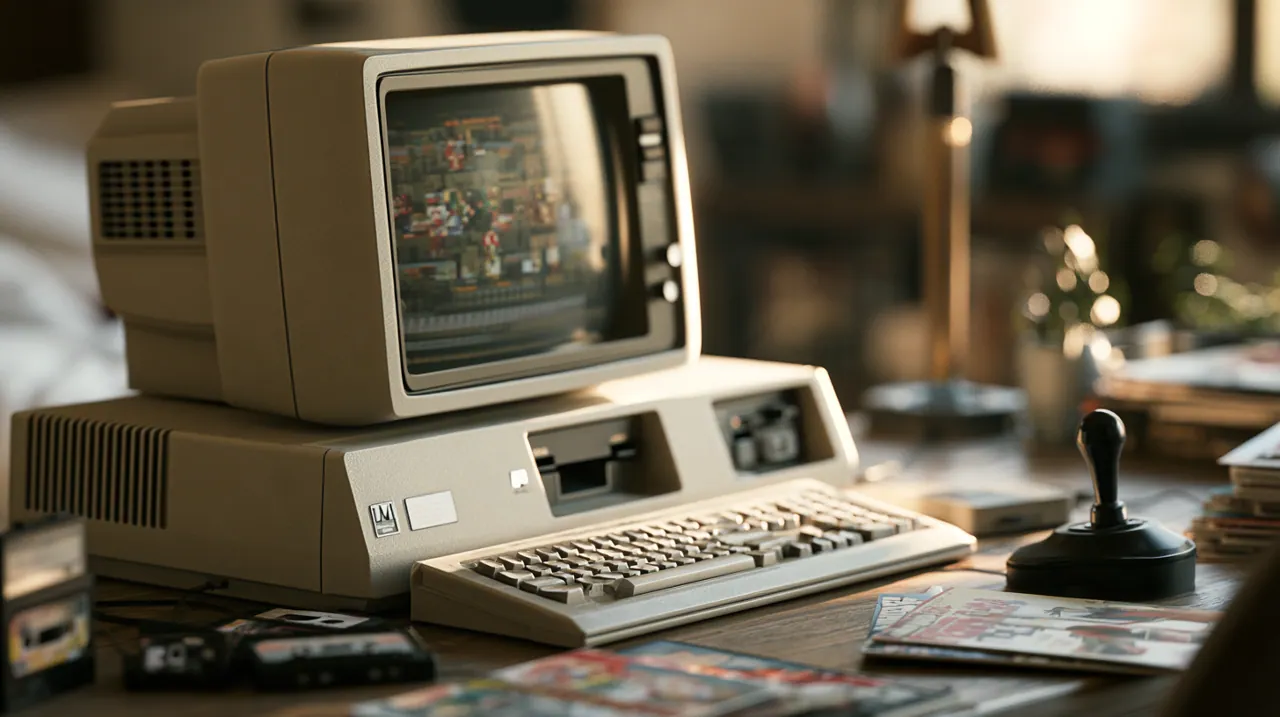
In the evolving landscape of home computing during the 1980s, one machine stood out for its vibrant color graphics, robust sound capabilities, and widespread appeal: the Commodore 64. While often associated with its strong presence in North America and the UK, the "breadbin" computer also carved a significant niche in Italy, fostering a unique culture of distribution, media, and local game development that defined the 8-bit years for a generation of Italian enthusiasts.
The C64's Italian Arrival and Distribution
The Commodore 64 made its official debut in Italy around 1983, following its international launch. Commodore Italia, the local subsidiary, spearheaded its distribution. Unlike some markets where the computer was initially a niche product, the C64 quickly found its way into a diverse range of retail outlets. Major electronics chains, department stores like La Rinascente, and a growing number of specialized computer shops became points of sale. Its competitive price point, combined with its advanced features compared to rivals like the Sinclair ZX Spectrum or even some early MSX machines, made it an attractive proposition for families and hobbyists alike.
Early marketing campaigns emphasized the C64's versatility, showcasing its potential for education, productivity, and, crucially, entertainment. The machine's powerful SID sound chip and sprite graphics capabilities made it a natural fit for video games, a fact that resonated strongly with Italian consumers eager for interactive experiences at home.
Magazines: The Lifeblood of the Community
For many Italian C64 owners, magazines were the primary gateway to the wider computer world. They served as essential sources of information, reviews, programming tutorials, and advertisements for the latest software and hardware. Several influential titles emerged during this era:
- Jackson (later Jackson Computer): One of the most popular multi-platform magazines, it dedicated significant space to the C64, covering games, utilities, and general computing news.
- MCmicrocomputer: While more technically oriented and covering a broader spectrum of computing, MCmicrocomputer provided in-depth analysis and programming articles relevant to C64 users.
- Zzap! (Italian edition): A direct localized version of the highly successful UK games magazine, Zzap! became the definitive source for C64 game reviews and previews, shaping purchasing decisions for countless players. Its distinctive rating system and humorous tone were widely appreciated.
- Commodore Gazette and Super Commodore 64: These magazines were specifically dedicated to Commodore machines, offering a deep dive into the C64, its peripherals, and the burgeoning software library. They often featured type-in programs, allowing enthusiasts to code games and utilities directly from the printed page.
The covermount cassette or floppy disk, often bundled with magazines like Zzap!, became a highly anticipated feature, providing demos, full games, and utilities, further cementing the bond between readers and their chosen publications.
Cassette Culture and the Underground Market
Software distribution in Italy, particularly for the C64, was heavily influenced by the prevalence of cassette tapes. While legitimate software houses sold their titles through official channels, an extensive informal market thrived. The "bancarelle" (stalls), often found in local markets or even on city streets, became synonymous with readily available, albeit often unauthorized, copies of popular games.
This widespread "cassette culture" had a dual impact. On one hand, it made a vast library of software accessible to a broader audience, fostering a generation of gamers who might otherwise have been priced out of the official market. On the other, it posed significant challenges for legitimate developers and publishers, who struggled with piracy's impact on their revenues. This environment also gave rise to smaller, legitimate budget software houses that aimed to compete by offering original titles at lower prices, often distributed through similar channels or by mail order.
User groups and computer clubs also played a vital role in this ecosystem, acting as hubs for sharing knowledge, swapping software (both legitimate and copied), and fostering a sense of community among C64 enthusiasts.
Local Italian Game Development
Despite the dominance of international titles, Italy also saw the emergence of its own game development scene for the Commodore 64. While perhaps not as prolific as the UK or US, several local talents and software houses contributed to the C64's library.
Simulmondo: A Pioneer
The most prominent Italian developer for 8-bit and 16-bit platforms, including the C64, was undoubtedly Simulmondo. Founded by Francesco Carlà, the company produced a significant number of games, often characterized by Italian themes, licenses, or a distinct European flavor. Their output ranged from sports simulations to adventure games and titles based on popular Italian comic book characters.
Examples of Simulmondo's C64 titles include:
- Italy '90 Soccer: A football game released to coincide with the 1990 FIFA World Cup hosted in Italy.
- 3D World Boxing: An early attempt at a 3D boxing simulation.
- Games based on characters like Dylan Dog, a popular Italian horror comic series, which demonstrated their ability to leverage local intellectual properties.
Other smaller development efforts and individual programmers also contributed, often through type-in programs in magazines or limited independent releases. However, competing with established international publishers and navigating the challenges of distribution and piracy proved difficult for many nascent Italian studios.
The End of an Era and Lasting Legacy
As the 1990s progressed, the Commodore 64 gradually gave way to more powerful 16-bit machines like the Amiga and Atari ST, and eventually to personal computers running DOS and Windows. Yet, its impact on Italy was profound. The C64 democratized computing and gaming, introducing countless individuals to the digital world. It fostered a vibrant community, fueled by magazines, informal networks, and the thrill of discovery.
The 8-bit years in Italy, largely defined by the Commodore 64, represent a formative period in the nation's technological and cultural history. It was a time of innovation, widespread digital literacy, and the birth of a local gaming identity that, despite its challenges, left an indelible mark on those who experienced it.
READ THE HISTORY.
PLAY THE FUTURE.
Free retro-inspired games from Pause Play Games.
▶ PLAY FREE GAMES